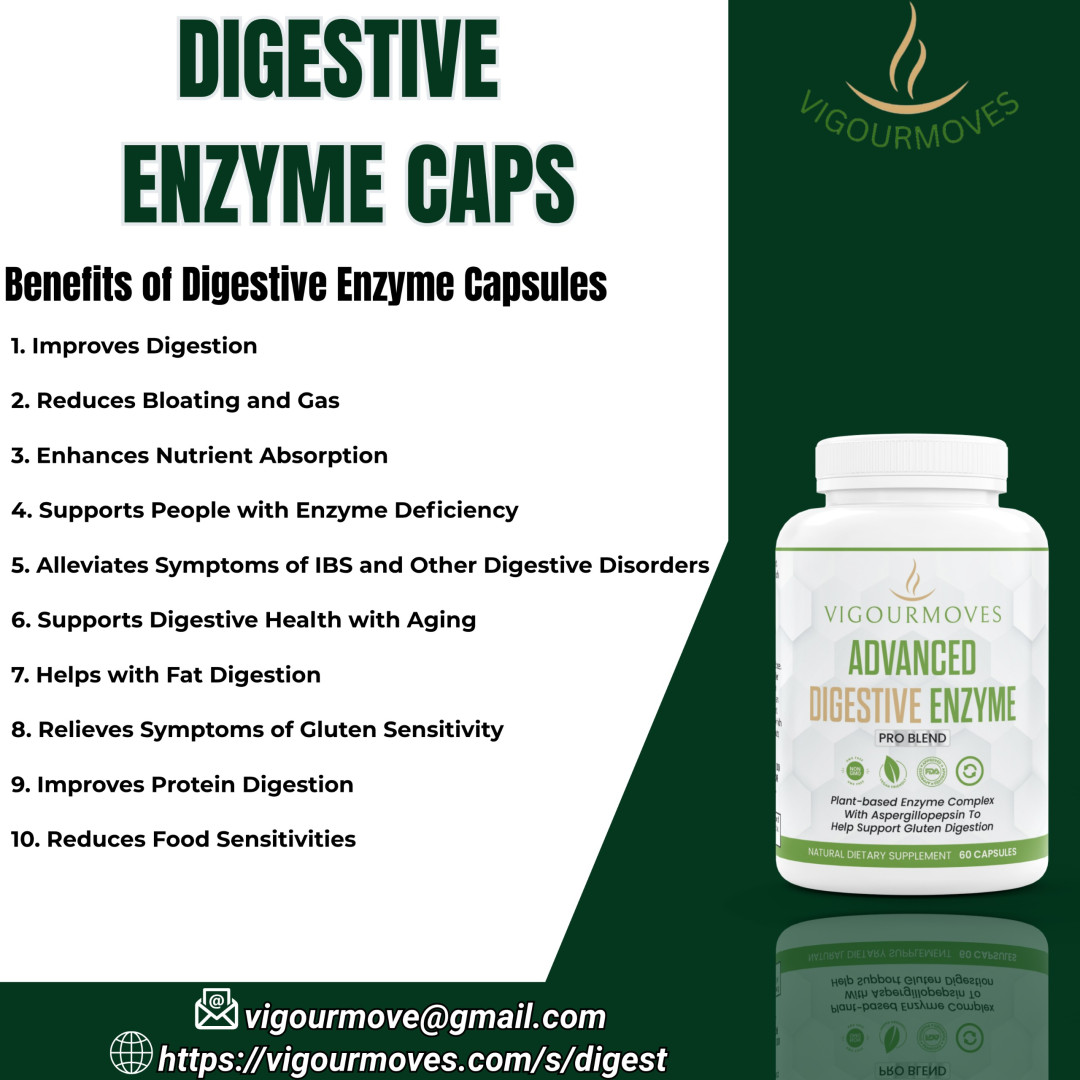
"How Digestive Enzymes Help Improve Digestion, Energy, and Nutrient Absorption"


The Role of Digestive Enzymes in Overall Wellness


Digestive enzymes play a vital role in how the body breaks down food and turns it into usable energy and nutrients. These enzymes are naturally produced by the body and work throughout the digestive system to support digestion, nutrient absorption, and overall wellness.

What Are Digestive Enzymes?

Digestive enzymes are proteins that help break food into smaller components that the body can absorb. Each enzyme has a specific function:

Amylase helps break down carbohydrates into simple sugars

Protease supports the digestion of proteins into amino acids

Lipase assists in breaking down fats into fatty acids

Lactase helps digest lactose found in dairy products

Together, these enzymes ensure food is properly processed so nutrients can be efficiently absorbed.

Supporting Nutrient Absorption

One of the most important roles of digestive enzymes is improving nutrient absorption. When food is fully broken down, vitamins, minerals, and other nutrients are more easily absorbed through the intestinal lining. This helps support energy levels, immune function, muscle maintenance, and overall vitality.

Digestive Comfort and Balance

Adequate enzyme activity supports smoother digestion and can help reduce common digestive discomforts such as bloating, gas, and feelings of heaviness after meals. Efficient digestion also supports a balanced gut environment, which plays a key role in overall wellness.

Connection Between Digestion and Whole-Body Health

Digestive health is closely linked to many systems in the body. When digestion works efficiently:

Energy levels are more stable

The immune system receives better nutritional support

Skin, hair, and nail health may benefit from improved nutrient delivery

Metabolic processes function more effectively

This highlights how digestive enzymes contribute to wellness far beyond the gut.

Natural Sources of Digestive Enzymes

Digestive enzymes can be supported through whole foods such as fruits and vegetables. Pineapple contains bromelain, papaya provides papain, and fermented foods naturally support digestion. Maintaining a balanced diet helps the body produce and utilize enzymes effectively.

Digestive Enzyme Support and Modern Lifestyles

Stress, aging, processed foods, and irregular eating habits may affect natural enzyme production. Supporting digestion through mindful eating, balanced meals, and digestive wellness supplements can help maintain enzyme activity and promote overall well-being.

Final Thoughts

Digestive enzymes are essential for breaking down food, absorbing nutrients, and supporting the body’s natural balance. By promoting efficient digestion, these enzymes contribute to energy, comfort, and whole-body wellness, making them a key part of a healthy lifestyle.


Comments

Popular posts from this blog

"2025 Wellness Trends: How Diet, Sleep, and Stress Management Are Shaping Blood Sugar Health"

The Rise of Natural Blood Sugar Support in 2025 As the global rates of type 2 diabetes and insulin resistance continue to rise , 2025 has seen a significant shift in how people manage their blood sugar. More individuals are turning to natural remedies and lifestyle-based strategies, rather than relying solely on pharmaceuticals, to support glucose control and improve metabolic health. This shift is driven by increasing awareness of the long-term benefits of plant-based solutions, fewer side effects, and a desire for holistic wellness. Growing Popularity of Plant-Based Supplements In 2025, more people are embracing herbal and nutritional supplements that support blood sugar , including: Berberine – often compared to metformin for its glucose-lowering effects. Cinnamon extract – known to improve insulin sensitivity. Fenugreek helps slow sugar absorption. Bitter melon and gymnema sylvestre support pancreatic health and reduce sugar cravings. These are being used alongside diet and exer...

"The Science Behind Melatonin and Your Natural Sleep Cycle"

Melatonin Regulates Your Sleep Cycle Naturally Melatonin is often called the “sleep hormone,” but its role goes far beyond simply making you feel drowsy. It plays a key part in regulating your internal body clock , known as the circadian rhythm, helping your body maintain a natural sleep-wake cycle. What Is Melatonin? Melatonin is a hormone produced by the pineal gland, a small gland located in the brain. Its release is closely tied to light exposure: Darkness triggers production Light suppresses it As evening approaches and natural light fades, melatonin levels rise, signaling to your body that it’s time to wind down and prepare for sleep. How Melatonin Controls Your Sleep Cycle Melatonin works in harmony with your circadian rhythm to regulate when you feel awake and when you feel sleepy. Here’s how it naturally manages your sleep cycle: Responds to Light and Darkness Your eyes detect light and send signals to the brain. When it gets dark: The brain tells the pineal gland to re...

"CBD Oil for Chronic Pain: How It Works and What You Need to Know"

How CBD Oil Can Help Manage Chronic Pain CBD oil is a natural remedy that helps alleviate chronic pain by interacting with the body's endocannabinoid system (ECS), which regulates pain and inflammation . It works by reducing inflammation, altering pain perception, and promoting relaxation. Studies suggest CBD can be beneficial for conditions like arthritis, fibromyalgia, and nerve pain. Unlike opioids, CBD does not cause addiction or severe side effects, making it a safer alternative for long-term pain management. Many individuals use CBD oil to improve mobility, reduce discomfort, and enhance their overall quality of life.